Phantom Wallet Review 2026: Is it Still the Best Wallet for Solana Users?
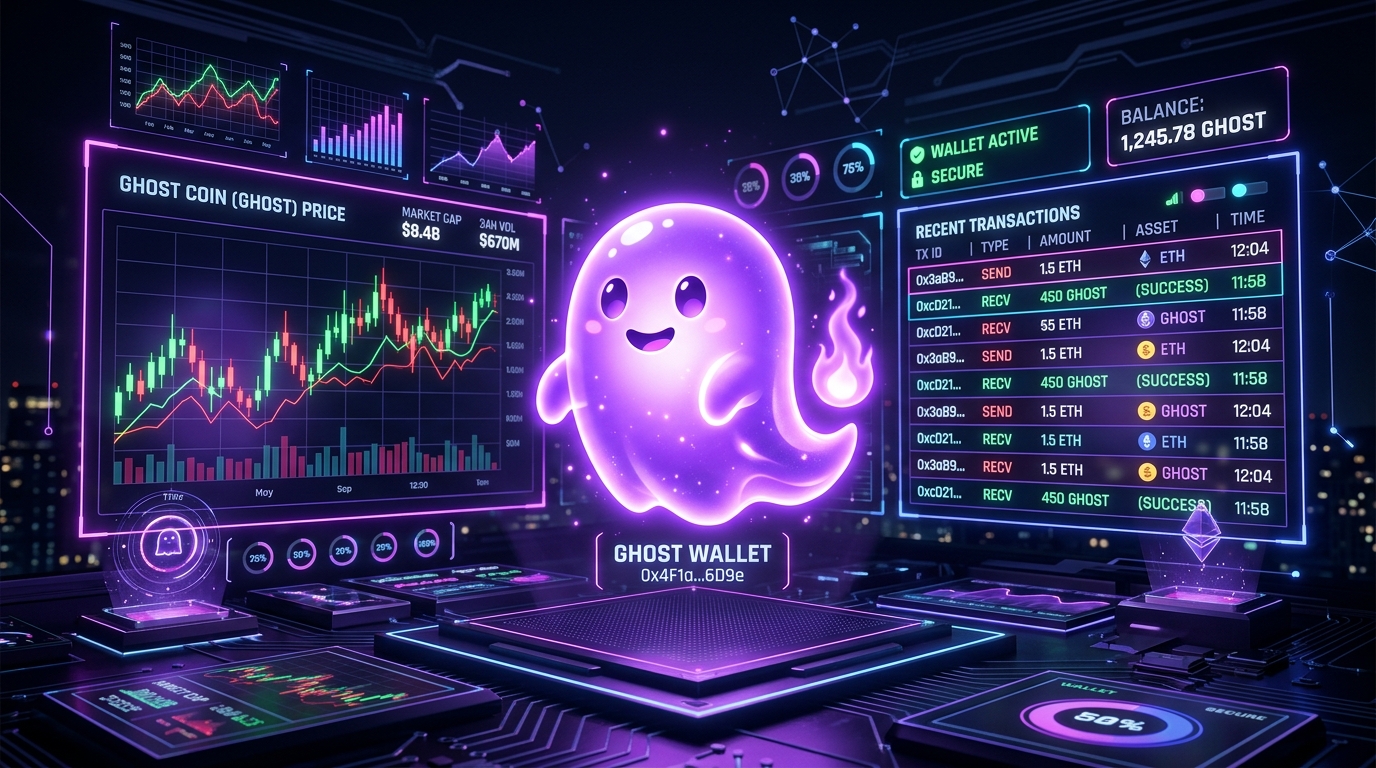
In my experience testing dozens of crypto wallets over the years, very few manage to perfectly balance bank-grade security with an intuitive, seamless user experience. But since its launch, Phantom has been the undisputed king of the Solana ecosystem. Now, in 2026, with the wallet having expanded to support Ethereum, Polygon, and Bitcoin, the question is: is it still the best overall Web3The decentralized third generation of the World Wide Web, powered by blockchain networks and token economies. wallet on the market?
In this comprehensive review, we’ll take an honest look at Phantom’s current features, its security track record, and where it falls short compared to its competitors.
The Good: What Phantom Gets Right
Let's start with why Phantom grew so quickly in the first place. The user interface (UI) is, frankly, gorgeous. While competitors like MetaMask have historically felt clunky and geared toward developers, Phantom feels like a modern fintech app (think Apple Pay or Robinhood).
1. The Ultimate Multi-Chain Experience
When Phantom was just a Solana wallet, it was great. Now that it fully supports Ethereum, Polygon, and Bitcoin, it’s a powerhouse.
What I absolutely love about their multi-chain integration is the unified dashboard. Instead of forcing you to constantly switch networks (a massive pain point with MetaMask), Phantom aggregates all your assets and NFTs across different chains into one beautiful portfolio view. If you want to swap USDC on Solana for ETH on Ethereum, the built-in cross-chain swapper handles the routing behind the scenes in seconds.
2. Industry-Leading NFT Management
If you interact with NFTs, Phantom is still unmatched. It automatically groups NFTs by collection, prevents spam tokens from clogging your feed, and allows you to safely burn malicious scam NFTs sent to your wallet (and even rewards you with a tiny bit of SOL for doing so).
3. Built-In Security Features
Web3The decentralized third generation of the World Wide Web, powered by blockchain networks and token economies. is rife with phishing scams. One wrong click on a malicious smart contract can drain your entire wallet. This is where Phantom truly shines.
- Transaction Previews: Before you sign a transaction, Phantom simulates it and tells you exactly what will happen. (e.g., "This transaction will take 5 SOL from your wallet").
- Blocklist Warnings: Phantom maintains a real-time database of known scam sites and malicious smart contracts. If you try to connect to a phishing site, the wallet throws up a massive red warning screen, stopping you in your tracks.
The Bad: Where Phantom Falls Short
No product is perfect, and we believe in providing unbiased analysis. There are a few areas where Phantom still has room for improvement.
1. Closed-Source Architecture
Unlike some of its hardcore competitors, Phantom is not entirely open-source. For the average user, this doesn't matter much. But for privacy absolutists and strict cypherpunks, the inability to publicly audit the entire codebase is a notable drawback. While Phantom regularly undergoes third-party audits by reputable firms like Kudelski Security, true open-source transparency is always preferred in the crypto ethos.
2. High Built-In Swap Fees
While the convenience of swapping tokens directly inside the wallet is fantastic, you pay a premium for it. Phantom charges a flat fee of 0.85% on in-wallet swaps. If you are trading large amounts of capital, these fees add up incredibly fast.
My recommendation: Use Phantom to connect to a decentralized exchange (DEXDecentralized Exchange - A peer-to-peer marketplace where users trade cryptocurrencies directly without custody.) aggregator like Jupiter (on Solana) or 1inch (on Ethereum) to get the best swap rates with minimal fees, rather than using the wallet’s built-in swap feature.
3. Resource Heavy on Browsers
I’ve noticed that when running Phantom alongside multiple other heavy extensions on Google Chrome, the browser can occasionally lag, particularly when loading large NFT galleries. The mobile app, however, is incredibly smooth and doesn't suffer from these performance hiccups.
Security: Is Phantom Safe?
The short answer is yes. Phantom is a non-custodial wallet, meaning they never have access to your private keys or your funds. Your security is ultimately in your own hands.
Furthermore, Phantom offers seamless integration with hardware wallets like LedgerA hardware cryptocurrency wallet that keeps private keys offline in secure cold storage.. For maximum security, we strongly advise pairing your Phantom interface with a physical LedgerA hardware cryptocurrency wallet that keeps private keys offline in secure cold storage. device. This gives you the beautiful UI of Phantom with the impenetrable cold-storage security of a hardware wallet. (Read our full guide on setting up a LedgerA hardware cryptocurrency wallet that keeps private keys offline in secure cold storage. Wallet here).
The Final Verdict
In 2026, the Web3The decentralized third generation of the World Wide Web, powered by blockchain networks and token economies. wallet landscape is more competitive than ever. However, Phantom still takes the crown as the best all-around wallet for 95% of users.
Its expansion into a true multi-chain hub means you no longer need three different extensions to manage your portfolio. The transaction simulation and anti-phishing features make it the safest choice for beginners, while the speed and NFT management keep power users happy.
If you haven't made the switch yet, it might be time to put the old fox (MetaMask) to rest and embrace the ghost.
Our Rating: 4.8 / 5 ⭐️
Disclaimer: This review is completely independent. Crypto Insight Media was not paid by Phantom to write this review. We do not use affiliate links for wallet downloads. Always download crypto wallets directly from their official websites.
Editorial Disclaimer: The information provided in this article is solely for educational and informational purposes. It does not constitute financial or investment advice. Our writers conduct independent research, but the crypto market is highly volatile. Please do your own research and consult a certified financial advisor before making any investment decisions. Read our full Editorial Policy.
Alex Mercer
Senior Crypto Analyst & Researcher
Providing deep-dive on-chain analytics, market trends, and unbiased reporting on the Web3 ecosystem.
Join the Conversation 🚀
What are your thoughts on this? Connect with other crypto enthusiasts, share your analysis, and discuss the latest trends in our community forum!
Join our forum discussionDiscussion (0)
No comments yet. Be the first to share your thoughts!